Tuesday, May 10, 2022

6 Common Questions About Wisdom Teeth Removal

wisdom teeth removal cost Sydney

Wisdom teeth removal is one of the popular procedures being carried out by qualified dental professionals, for those experiencing pain and dental problems due to the third molars. Professionals do suggest to thoroughly examine the condition of wisdom teeth, before suggesting to remove them. The wisdom teeth removal cost in Sydney is also reasonable with the development of technology in the recent times. If you would like to get a better insight about wisdom teeth, check out the answers to these popular questions:

What are Wisdom Teeth?

Wisdom teeth are the third and final molars that grow at the back of the mouth. Most people would have all four of the wisdom teeth growing at the corners of their mouth, whereas some of them would have only three, two, or even none. The development of wisdom teeth shall be contributed to the evolution in diet through the years in human history.

Why Remove Wisdom Teeth?

Wisdom teeth don’t mandatorily have to be removed. When your mouth doesn’t have enough room for the teeth to grow, wisdom teeth will only partially erupt and get impacted. This will cause discomfort, pain, and its improper growth will affect your neighbouring teeth as well. Also, wisdom teeth might not be easy to clean as it’s difficult to reach with a brush. When your teeth are impacted, they have to be removed.

When is the Right Time for Removal?

The usual suggested time for wisdom teeth removal in Sydney is during the late teen years. The procedure carried out at this time will be safer, and paves the way for a faster recovery. This period also allows patients to freely rest during the school break.

How is Wisdom Teeth Removed?

The dental professional will numb your teeth and its surrounding areas using anaesthesia, after which the procedure is executed to remove the tooth. Cheap wisdom teeth removal in Sydney is an outpatient procedure, so you could go home right after the surgery is done. Stitches will also be done on necessary areas for proper healing.

Should Someone Drive Me Home After the Procedure?

Yes. Sedation will be provided in most cases, hence bring along a friend or family member with you who could drive you home. Even if you are not sedated, driving by yourself would be uncomfortable right after the procedure. So, it is ideal to have someone with you on the day of the procedure.

How Long is the Recovery Period?

Patients would usually experience discomfort in 3 days after the procedure. Swelling would be gone after about a week. Make sure to follow proper recovery steps for smooth healing. A typical recovery period should last approximately 10 days, which varies from person to person.

If you need to know other important details about the procedure such as wisdom teeth removal cost in Sydney or more, get in touch with a qualified dental professional.

Why Should You Leave Out your Anxiety about Dental Implant Surgery


Tooth Implant SydneyIf just going for a visit to the dentist can give people anxiety, then it makes sense that an oral surgery could cause full-blown fear! But to be honest, it doesn’t have to be that way. If you choose considering an implant or if your dentist has recommended it to you, you may have held back in part by nerves about the procedure. Here we are to help you manage those nerves and hopefully discard them off entirely.

Dental implants have gained an excellent reputation for their lifelike appearance and long life. Here are some reasons why dental implants Sydney is nothing to be nervous about.

Dental Implants:

Sydney dental implants are a great solution for a tooth root replacement. The titanium post is embedded into the jawbone, and a tooth structure is mounted on the post. With time, the bone will grow and bind tightly to the post creating an incredibly strong connection.

Implant surgery is a straightforward procedure, and it is nothing to worry about. It is performed only by highly skilled professionals.

The Treatment Is Well Planned Previously:

Dental implant Sydney is a minor procedure and is planned ahead of time, it is not something done on a whim. The dentist will use CT imaging technologies and x rays to plan out how to proceed with the surgery. So the time the dentist makes an incision in your jaw, he knows well what he is doing.

Treatment Is Done Under Anaesthesia:

Well, your dentist will first numb the site of the implant to negotiate any minor discomfort. Implantation involve the titanium post being placed inside your jaw, and this does include a surgical procedure, and with the anaesthesia admitted, you will not experience any minute discomfort. However, if you are prone to feeling anxious, you can discuss it with your dentist who will give you other suggestions or a strong a dose of anaesthesia to minimise your fear.

Recovery Phase:

As the dental implants Sydney is more advanced nowadays there is no or minimal discomfort after the surgery. The dental implant site heals pretty quickly, and luckily you will not go without a tooth. The dentist will make sure to attach a false tooth until the jawbone fuses with the implant.

For a better recovery phase, you will have to follow some post-surgery instructions to ensure the dental implants heels pretty quickly.

  1. Relax, do not get anxious and take some rest.
  2. Take the prescribed medications properly. If you are prescribed with antibiotics, take the course completely.
  3. Adjust your diet. Go for liquid food and then slowly start on with soft food for some days.
  4. Stop smoking or use of tobacco products. Take this advice seriously to avoid complications further.
  5. Visit your dentist for regular check up without fail, because the progress of dental implant should be monitored strictly.

Slow yourself down. Don’t be so nervous! A dental implant is a minor, safe and comfortable procedure. We are sure you will be smiling with confidence in no time with affordable dental implants cost Sydney!

Wisdom Teeth Removal – What You Ought to Know?

Wisdom teeth removal Blacktown

Did you know wisdom teeth removal is one of the most common and dreaded dental procedures in Australia? But yet, many of us know a very little about this dental procedure, why do we have them and what’s the need to get them removed, and more.

Also known as third molars, wisdom teeth are a set of four adult teeth located in the back of your mouth. Usually, they grow between the ages of 17 and 24, hence got the name in the first place.

Why Wisdom Teeth Removal?

Wisdom teeth removal in Blacktown is a surgical procedure done to remove one or more of your wisdom teeth. In most cases, wisdom teeth that grow at the back of your mouth get impacted due to the lack of enough space for them to erupt. This causes extreme pain, infections, and other dental issues. So, your dentist in Blacktown recommends you to get them removed to prevent potential dental problems.

Signs that Indicate You Need Wisdom Teeth Removal

Here is a simple list of the signs and symptoms of wisdom teeth extraction.

  • If your wisdom tooth grows sideways, straight or erupts towards the second molar, your dentist in Blacktown recommends wisdom teeth removal.
  • Wisdom teeth that haven’t erupted fully may result in deeper dental pockets and cause gum infection.
  • According to research reports, older people are at a higher risk or developing periodontal disease on the second molar when the third molar is present. So, early removal of wisdom teeth is recommended to reduce dental issues that arise at a later age.
  • Jaw pain and discomfort is caused when the wisdom teeth begin to grow and exert pressure on surrounding teeth.

How are Wisdom Teeth Removed?

Wisdom teeth removal in Blacktown is performed by a certified dentist under local or general anaesthesia. Local anaesthesia makes use of numbing injections near the extraction site, leaving you awake during the whole procedure. This type of anaesthesia is recommended if your wisdom tooth is removed in the dentist chair. General anaesthesia is an inhalation medication that makes you sleep throughout the wisdom teeth removal procedure. The dentist decides on the type of anaesthetic for your procedure depending on the complexity of the procedure and your comfort level.

During the procedure, your dentist will make an incision in the gum to remove the wisdom teeth. Sometimes, they may cut the tooth into pieces to make removal easier. This decreases the trauma to the gum area. The dentist will stitch the surgical site after cleaning the debris and apply gauze over the extraction site. Applying gauze over the surgical area stops bleeding and helps form a blood clot. After the surgery, you’ll be asked to avoid solid foods and any hot, carbonated drinks for at least 48 hours. If you feel any pain or swelling after the surgery, contact your dentist immediately.

Contact us now to know more about wisdom teeth removal and microscopic dentistry in Blacktown.

All of Your Questions Answered About Root Canal Treatment

Blacktown dentists

We all tend to overlook tooth pain or teeth sensitivity without knowing the consequences. Have you ever taught what happens if you ignore teeth sensitivity and pain? Well, you’ll lose your teeth one day. You’ll never know the pain and embarrassment having of missing teeth. Anyone who has lost their teeth can tell how overwhelming and stressful it is to manage with missing teeth.

If your dentist recommends a root canal, please get it done. Of course, hearing root canal treatment during your dental examination can be intimidating. But, the truth is Root canal Blacktown procedure is done to save your tooth. You will have many questions in your mind regarding root canal procedure, that’s why we, Blacktown dentists, have answered all your questions about the treatment.

Is root canal treatment painful?

Fear is the enemy! Yes, one of the major reasons why people avoid Blacktown dental procedure is dental fear and anxiety.

See, dentistry has come a long way. With advanced dental techniques and technology, dental treatments are less invasive and painless, making it to recover quickly. The Root canal Blacktown procedure itself is done under anaesthesia, and you won’t feel any pain. In addition to it, you can opt for sedation dentistry where there are medicines that can help you relax and comfortable, making it virtually a pain-free experience. Many times, the procedure can be accomplished in a couple of visits. With modern techniques and various anaesthetic options, many patients report that they are comfortable during the procedure.

Why is the root canal treatment?

When the tooth is severely infected, it is essential to get rid of the infected pulp inside the tooth to prevent the infection from spreading to the root and other tooth structures. Inflammation and infection in the middle of the tooth occur because of decay spread through the tooth, a crack, or chip. If it is not treated, it often results in severe pain and the formation of an abscess.

Is a root canal better than tooth extraction?

Indeed! Imagine yourself with a missing tooth. It is unsightly. Moreover, missing teeth can create a lot of dental problems if not replaced. A replacement could cost you even more than root canal treatment.

An infected tooth can lead to further complications which is why immediate treatment is advisable. Tooth extraction is used as a last resort by the dentists. We encourage patients to save their natural teeth whenever possible.

Does a root canal weaken my tooth?

Since the inner section of the tooth is removed, it weakens the overall structure of the tooth. But it can be reinforced by placing a dental crown.

If you have additional questions about root canal treatment, call our team any time for assistance. We are to help you!

These 7 Expert Tips will Help You Recover Smoothly After Wisdom Teeth Removal

wisdom teeth removal Blacktown

Wisdom teeth removal is a common dental procedure that is usually suggested by dentists to prevent crowding of teeth, infection, cavities, or other oral problems. Once a wisdom tooth is extracted, people might experience pain, discomfort and swelling during recovery. You must know that this is quite normal, and that you can have a smooth recovery if you follow these expert tips.

Plan Ahead:

Before wisdom teeth removal in Blacktown, contact your dental professional to know what you would be going through during recovery. Prepare a list of all the instructions provided by the dental specialist and be sure to ask them any questions you may have. The dental expert will suggest you to take a few days off from school or work and make sure that you are fully recovered, so plan accordingly.

Use Teabags to Control Bleeding:

After the wisdom tooth is extracted, you may experience pain and bleeding. The best way to control bleeding is to gently bite on a tea bag. Tea leaves are found to promote blood clotting and reduce pain at the same.

Cold Compress with Ice Packs:

Swelling is highly likely after wisdom teeth removal in Blacktown. Apply a cold compress with ice packs on the cheek area close to the surgical site in order to reduce swelling and bruising. This can also reduce any discomfort you feel. However, for those who’ve had tooth infection before undertaking the procedure, the dental expert will recommend warm compresses.

Protect the Surgical Site:

The first six weeks during recovery is a crucial time when you should provide utmost protection for your surgical site. Infections can occur at this time, so make sure you follow proper oral hygiene habits for a speedy recovery. Do not touch the surgical site unnecessarily and make sure no debris gets close to the area. You will be provided important tips and instructions by the dental expert to prevent infections.

Stay Away from Solid Foods:

Liquid diet is strictly recommended during the first 24 hours after the procedure. Consume lots of liquid to prevent dehydration. An expert orthodontist in Blacktown suggests following a nutritious soft diet plan after dental procedures. Stay away from foods that require chewing. Remember, do not use straw to consume liquid foods, since it can impact the blood clots.

No Smoking & Alcohol Consumption:

Usage of tobacco products and alcoholic drinks will significantly delay the healing process, increase the chances of infections, and cause discomfort. Hence, refrain from smoking and alcohol throughout recovery.

Take Enough Rest:

For a successful recovery, take adequate rest after the procedure. Do not go exercising for at least a week and avoid strenuous activities. Giving your body enough time to relax will allow it to recover easier and faster.

Follow these tips for an easy recovery after tooth extraction. Good dental care centres integrate microscopic dentistry in Blacktown to provide accurate and precise dental procedures for patients. If you have any questions, contact a dental expert today.

Can Prolonged Thumb Sucking and Pacifier Affect Your Child’s Dental Health?

microscopic dentistry Blacktown

Sucking on thumbs and other fingers, pacifiers, or other objects is a natural way to self-soothe, gives a sense of security, and helps the child fall asleep. Sucking on their thumb and fingers is one of the infant’s natural reflexes, and it starts right from the womb. But prolonged thumb sucking is a cue for concern because it affects the dental health of your children. According to Blacktown dental experts, prolonged thumb sucking can cause changes in the alignment of teeth and the roof of the mouth. Similarly, pacifiers cause problems with kids’ primary teeth development. Most children stop sucking their thumbs between the ages of two and four years. Some of the dental problems that can be caused by thumb sucking or the usage of pacifiers are listed below.

Jaw Misalignment

Prolonged thumb sucking and pacifier usage may cause your jaw to develop abnormally. This habit modifies the natural shape of the upper jaw and arch, and sometimes, it develops a higher palate due to the pressure exerted by the tongue or finger.

Misaligned Teeth

One of the most serious, permanent side effects of thumb sucking and prolonged use of a pacifier is misaligned teeth. This poor positioning of the tooth leads to open bite and overbite. When the upper and lower front teeth become directed outward, it leads to an open bite. Having protruded teeth is embarrassing, and this condition needs a quick fix, which generally requires costly orthodontic treatment. Overbite is caused when the upper front teeth become protruded, and this can affect the shape of your face and smile. In extreme conditions, it requires costly orthodontic treatment to correct the issue. The placement of traditional metal braces is difficult with the ‘overbite’ condition, hence alternative orthodontic appliances may be needed to correct the alignment of your teeth.

Affects Speech

As mentioned earlier, thumb sucking or pacifier usage can affect the proper development of your jaw, teeth, and palate. This makes it difficult for your child to pronounce complex consonant sounds and produce distorted sounds. Some people undergo high-speech therapy trying to correct these impediments. Without proper Blacktown dental care, it works only to an extent.

Bacterial Growth

To help the baby accept the pacifier, some parents dip it in honey, sugar, or syrup. This coats the teeth with sugar and promotes bacterial growth by releasing food for acid-forming bacteria.

Wrapping Up

Thumb sucking, pacifier, and other parafunctional habits push the tongue against the front teeth and results in misalignment. A certified orthodontist in Blacktown suggests the usage of orthodontic appliances to stop these harmful oral habits from causing further dental issues. So, do you want your child to have a brilliant smile? Get in touch with our dental professionals now. We specialise in cosmetic dentistry, general dentistry, microscopic dentistry Blacktown, and more.

Here’s Why You Need to Consider Orthodontic Treatment

Orthodontic dentistry

A smile is one of the first things people notice in an individual. Our teeth are important to our overall well-being. It is essential to care for oral health and ensure the teeth and gums are in the best health possible. Unfortunately, not everyone is blessed with a beautiful smile. We always long for that beautiful smile, aren’t we? Gaps between teeth, crooked, and misaligned teeth can impact the smile and self-esteem. This is where Orthodontic dentistry comes into play. Orthodontic dentistry has come a long way. Thanks to rapidly changing dental technology! It’s now easier than ever before to enhance your teeth and smile.

What Is Orthodontics?

Orthodontics is a branch of dentist that deals with dental problems caused by misaligned teeth, including underbite, overbite, overcrowding, crooked teeth, gaps between teeth, and misaligned teeth.  Orthodontic treatments are designed to change the positioning of the teeth to the desired position gradually through dental appliances called braces. A person might be born with malocclusion or they might experience the problem over time due to trauma or injury. Whatever the cause might be, it’s important to treat the condition to keep dental problems at bay.

There are a lot of orthodontic treatment options available now, from traditional metal braces to clear aligners, invisible braces, micro, and ceramic braces. Each treatment has their own uses. An experienced orthodontist Blacktown can suggest the right treatment plan based on factors, including your age, structure of teeth and jaw, and other dental problems, that works for you to achieve the best smile.

The Blacktown dentist specialised in orthodontic dentistry have the skills and expertise to diagnose the problem, assess, and provide the right treatment plan that’s best for your dental health. It’s a good idea to visit an orthodontist rather than a family dentist.

Here’s Why You Need to Consider Orthodontic Treatment:-

Restore Your Smile

This is one of the significant reasons why you need to consider treating your bite problems. Many are self-conscious about their smile and often, choose not to show their teeth when they smile for a picture as they are embarrassed about their misshaped teeth. Orthodontic treatment can help have the smile you always wanted.

Keep Dental Problems at Bay

Malocclusion can cause several dental problems, including gum disease, dental decay, pain, TMJ, and inflammation, jeopardising your dental health. Correcting misalignment between teeth can help prevent dental problems from damaging teeth and gums.

Reduce Teeth Grinding

The strain on the jaws from misaligned teeth can cause you to grind the teeth and clench the jaws. This condition is called bruxism. It can damage the teeth in the long term. By treating misaligned teeth, you can reduce the risk of bruxism.

Need more details about orthodontic treatment? Please call to schedule an appointment with our Blacktown dentist to know your treatment options. At West Point Dental Clinic, we use Microscopic Dentistry Blacktown to avoid possible treatment complications for all treatments, including general check-ups, regular cleaning, braces, and dental implants.

Friday, May 6, 2022

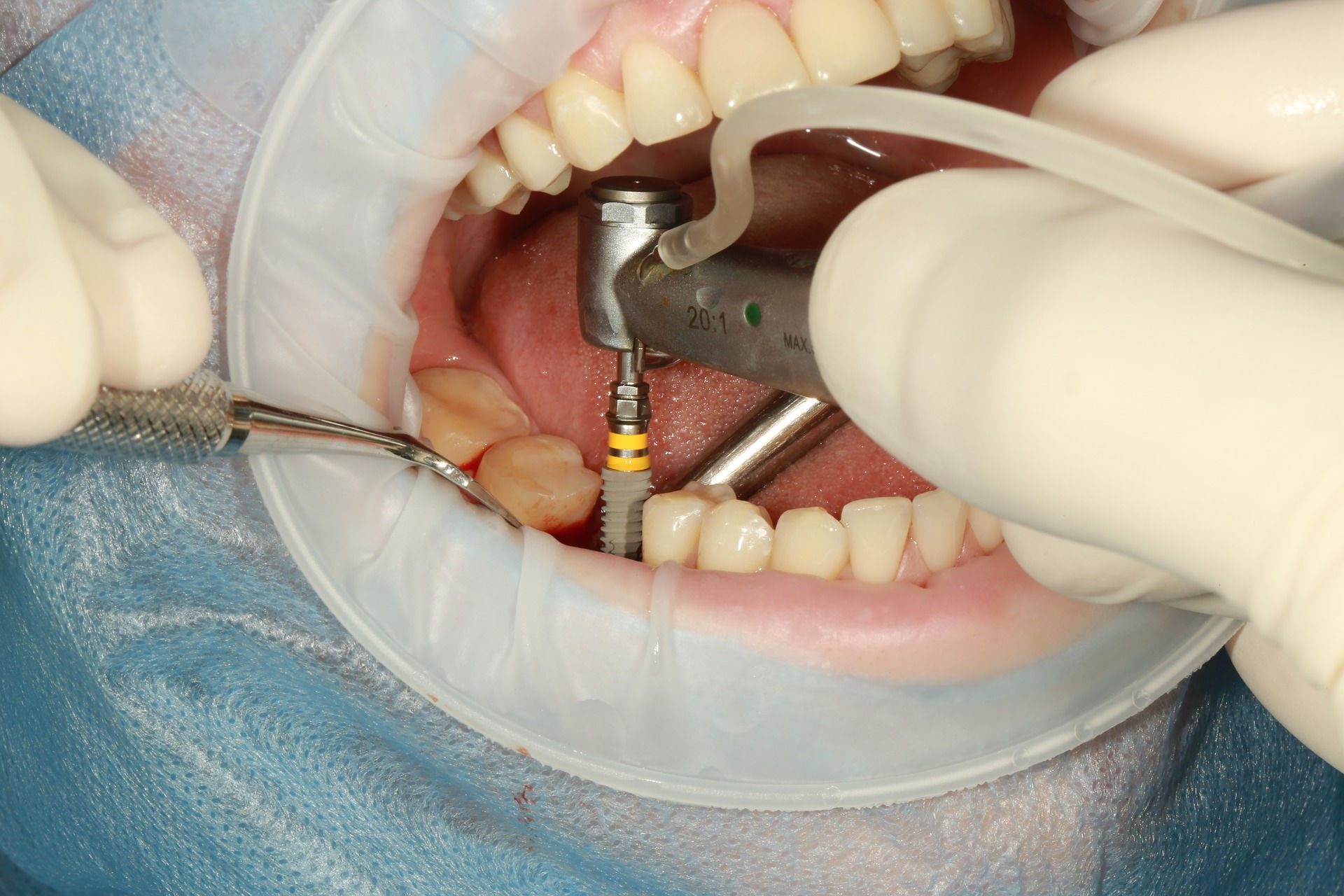
Quick Guide: Pre-Procedures Taken Before a Dental Implant

Cost of Dental Implants

Before a dental procedure is undertaken there are some preliminary procedures which must be done in order for the process to be considered fully done. A deep conversation about the oral health of the patient and the dental implants cost is to be conducted.  The dental personnel should assess the oral health condition of the patient and give a verdict if the implant should be scheduled right away or some procedures should be undergone first. The procedures can be recommended when the dentist acknowledges that the bone tissues around the place should be strengthened.

Consultation

Just like any other surgical procedure, a consultation should be held between the patient and the dentist. The dentist uses this time to do several tests and diagnostics. The tests are done to assess if the oral health of the patient can stand the effects of the dental procedure. If the oral health is sufficient the dentist will recommend cheap dental implants immediately.

However, if oral health not up to the mark, then the dentist Melbourne prescribes some procedures before the implant is taken. The dentist may take an x-ray photo of the mouth to assess bone structure and surrounding tissues. If the density of the jawbone can support the implant the implantation procedure can kick off. The dentist may however not be convinced that the tissues can support the implant, in such a case more advanced procedures like CT-scan imaging are required to give a more reliable image of the surrounding tissues.

Tooth Extraction

For a successful dental implants process, tooth extraction is an essential step. The following are some of the reasons that may prompt a tooth extraction procedure.

  • A severely damaged tooth has to be totally removed before the implant is fixed
  • Several implants are required to restore the patient’s teeth

The intensity of the extraction procedure varies between patients. However, for a simple tooth extraction procedure, a pair of forceps is used to pull out the tooth after an anaesthetic is applied for the patient’s comfort. In rare cases, the tooth may be severely damaged making it impossible for a pair of forceps to be used. A simple surgical extraction procedure is required.

Bone Grafting

Bone structures tend to deteriorate as soon as a tooth falls of the jawbone. This leads to the density of the bone decreasing. The more the surface goes without a tooth the more the surrounding bone surfaces deteriorate. Bone grafting is a procedure undertaken to restore the density, height or width of the jawbone if it is completely worn out. A dentist surgically fits an artificial jaw to fill the worn out part of the jawbone. After bone grafting is done, a period of fewer than 8 months is required for the bones to fuse before the implant can be fused.

Sinus Lift

This procedure resembles bone grafting but it is preferred if the teeth to be replaced are premolars and molars on the upper jaw. The jawbone may not have required height for an implant to be fixed.

The preliminary procedures should be done for the implant to be successful. The dental implants cost should also be considered before the procedure is done.

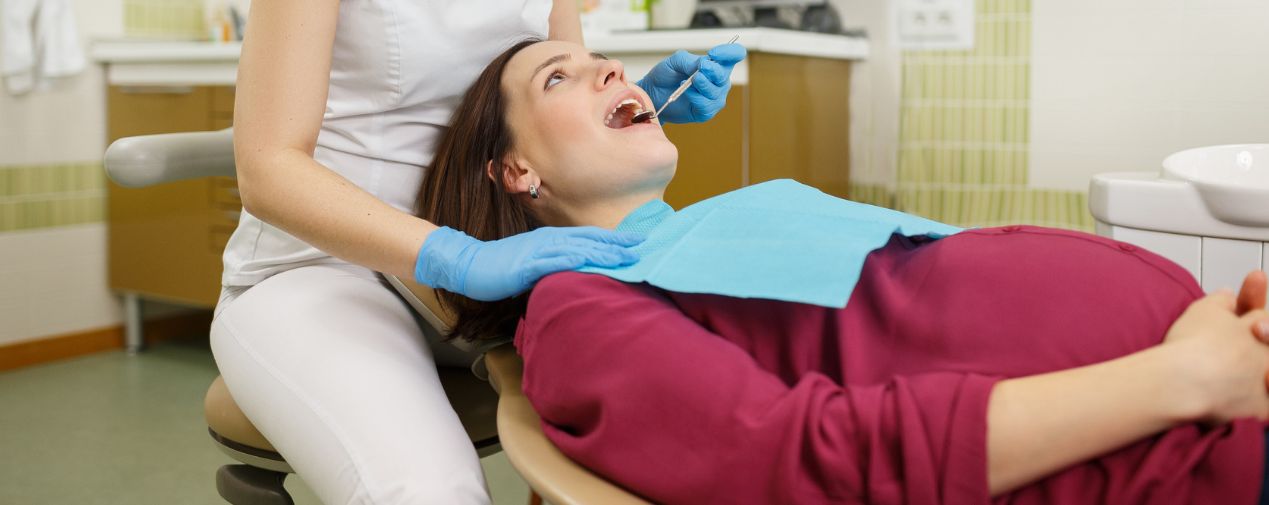
A Guide to Treat a Wisdom Tooth During Pregnancy

Pregant women having dental checkup

There is nothing worse than getting wisdom teeth pain while you are pregnant? Why? Well, you cannot rush to the doctor and pull them out or take pain killers to knock off that pain.

It is safe to have professional cleanings while you are pregnant. Many women experience pregnancy-related gingivitis, and professional cleaning can help minimise the chances of developing a serious dental issue. However, you can’t always predict what can happen. The topic of dental procedures during pregnancy gets lot of attention, and the information can be quite confusing. One issue that is particularly controversial is wisdom teeth removal during pregnancy.

How to deal with the wisdom teeth pain and swelling during pregnancy?  Whether wisdom teeth removal is safe during pregnancy or should you endure the pain until delivery. The bottom line is you have to schedule an appointment with your dentist if you experience wisdom tooth pain during pregnancy.

What are the problems caused by wisdom teeth?

To understand why it is essential to visit your dentist for wisdom teeth pain, let’s discuss the problems that are caused by a wisdom tooth.

Wisdom teeth are the last set of molars that emerge in between the ages of 17 and 25. They are spotted on x-ray.  Some may have all four while some may have one or two. Impacted wisdom teeth can cause several dental problems and this is the reason why most of the dentists recommend cheap wisdom teeth removal in Sydney and the wisdom teeth removal cost depends on the type of impaction, the complexity of the procedure, and anaesthesia. When there is not enough space in the jaw to accommodate a wisdom tooth, it gets trapped under the gum and becomes impacted. An impacted wisdom tooth that causes pain and other complications are usually removed.

When a wisdom tooth causes pain, even brushing and flossing can become uncomfortable. If you do not brush and floss properly, the chances of developing tooth decay are high. Wisdom teeth may put pressure on your back molars if the back of your mouth is crowded. Sometimes a wisdom tooth erupts partially, and it becomes difficult to clean them. The food particles can collect and decay the other nearby teeth. Moreover, if the wisdom teeth are infected, the bacteria can work its way into the bloodstream and affect your baby as well.

So, if your pregnant and experience wisdom tooth pain, call or visit your dentist as early as possible.

Home remedies to alleviate wisdom teeth pain

Before seeing your dentist, you can use the following home remedies to reduce the pain caused by a wisdom tooth.

  • Apply an ice pack to jaw so that it helps reduce the inflammation and pain
  • Rinse your mouth with warm salt water
  • You can place the clove on the wisdom tooth to reduce the pain
  • Apply peanut butter directly on the tooth

Visit your dentist and have proper medications and undergo advisable dental procedures during pregnancy.

How Poor Oral Hygiene Affects Dental Implants?

teeth implants

Good oral hygiene before, during, and after dental implants procedure is crucial. Brushing and flossing regularly helps to prevent bacteria from causing several oral issues. Dental implants are a significant investment, and if you want to protect it, you need to maintain them as you do to your natural teeth. Dental implants may not be decayed, but they are vulnerable to gum disease. Therefore, good oral hygiene is essential.

The impacts of poor oral hygiene on implants

Although dental implants can last longer, poor oral hygiene leads to implant failure. If you are a smoker it makes things even worse. Keeping the gums, surrounding teeth, and implants post clean is important for the success of implant procedure. A failure to keep your gums and teeth clean can lead to the potential failure of the implant procedure during the recovery process.

Poor dental hygiene leads to gum disease. It affects the health of your gum tissues and the gum line as well. If it is not treated, it leads to gum recession and the infection will be spread to the other structure of the mouth. It affects not only the teeth implants but also the other healthy teeth as well. As a result, you will start losing your teeth one by one.

The plaque build-up around the implant is the major cause of the inflammation. It forms a pocket, and it becomes the breeding ground for the bacteria as food particles can be trapped in the flap. If it is detected early, the gum disease can be reversed. Failing to do so will result in implant failure as gum disease can weaken the position of the dental implants and affects its stability. If implants losses its stability you will automatically lose the crown part (Prosthetic tooth) which is fixed over the implant.

In fact, before you notice that you have gum disease, it can be progressed to the final stage called periodontitis. So, following proper oral hygiene is the key to make the teeth implants last forever.

Here is what you should do to maintain your dental implants

Brush your teeth regularly

It is essential to brush your teeth twice a day when you have implants. If you could brush after every meal it could be better.

Floss your teeth regularly

You must floss daily to remove the plaque and food particles that is hiding in-between your teeth. There are special implants flossing products to floss around the implant without causing any damages to the gum-line. Consider investing in those products to floss without affecting the gum tissue around the implant.

Visit the dentist regularly

To ensure the optimal health of the dental implants, scheduling dental visits every six months is essential. Dental cleanings can help to remove the plaque build-up from your teeth and gum tissue.

Quit smoking

Smoking is not good for both dental and overall health. The chemicals present in the tobacco can delay the healing process and leads to implant failure and oral cancer as well.

For more information about dental implants price Melbourne and how to maintain them, contact our dentist.

Symptoms that indicate you should undergo Wisdom Teeth Removal Procedure

wisdom teeth removal cost Sydney

Most people, sooner or later, will need to get their wisdom teeth removed. In just a matter of time you may need to get your wisdom teeth out. However, how would you know when it is time to say goodbye to those pesky teeth? Most often, it is your dentist who should decide when you will need to undergo wisdom teeth removal Sydney. He will look at X-rays to determine whether the wisdom teeth will cause problems or are at risk of decay. Initially, you should know the warning signs of wisdom teeth problems, only then you can identify the issues at the earliest. Here we have listed some of the symptoms to look out for, which could signal it is time to check with your dentist and have affordable wisdom teeth removal cost Sydney.

What are Wisdom Teeth?

Wisdom teeth are located at the backside of your mouth and are referred to as third molars. Most adults have 32 teeth, which includes the four wisdom teeth one present in each corner of your mouth. These are also the last adult teeth to come through our gums if they come through at all.

The wisdom teeth usually grow during the late teens or early twenties and often cause problems as there is no enough room for them in the mouth. As a result of lack of space, these teeth can come through at an angle only partially through the gum line. This is known as impacted wisdom teeth, and people often undergo cheap wisdom teeth removal Sydney.

An impacted wisdom tooth can cause damage to the surrounding structures, pain, and other dental problems, which include overcrowding of adjacent teeth and impaction either into the next teeth or into the gum. Not all wisdom teeth will cause problems when they develop, even impacted wisdom teeth can remain silent for a long time.

Signs and Symptoms to look for:

When your wisdom teeth develop, it is usually accompanied by pain and discomfort. As discussed, there are many cases which would make wisdom teeth removal a necessity. Here are some of the signs and symptoms you might experience that can be problematic until the wisdom tooth is extracted.

Infection and Persistent Pain:

Pain and infection on the tooth site and pain when you try to open your mouth are the noticeable signs that indicate you need wisdom teeth removal Sydney.

Chances are, these teeth can remain painless, and you might not even realise that your wisdom teeth are growing. However, when it erupts above the gum, it will swell and cause pain, which can be felt in nearby teeth or on the sides. Initially, the pain will occur for several days and disappear. However, it will become worse the longer you leave it untreated.

Stiffness in the Jaw and Swollen Gums:

As wisdom teeth erupt, it can push against the adjacent teeth, making them move. This can cause discomfort in your jaw, making it feel stiff and also difficult to open. This can lead to swelling of the gums in the back of the mouth. Red and swollen gums result from the flap of extra gum tissue, which resides next to the tooth. This occurs when the wisdom tooth is erupt partially. Also known as pericoronitis, this infection is caused as a result of food and bacteria getting trapped in the tissue becoming infected and inflamed over time because the site is difficult to clean.

Beyond the Teen Years: Adult Wisdom Teeth Extraction Explained

  Extraction after 30 comes with unique considerations. For adults seeking wisdom teeth removal Sydney , understanding risks, healing, and c...